
Ever booked a “castle stay” only to find yourself staring at an inflatable castle in a suburban backyard—complete with deflated turrets and a startled squirrel clinging to the slide? Yeah, we’ve been there. At Le Marquis, we’ve hosted guests in 12th-century châteaux, restored Venetian palazzos, and even a moated manor in Normandy—but never once confused historic grandeur with bounce-house logistics. This post isn’t about inflatables. It’s about protecting your reputation, your guest experience, and your sanity when marketing *authentic* castle stays. Because “inflatable castle rental” is not just a keyword—it’s a red flag that misleads searchers, damages trust, and dilutes the niche you actually serve: historic vacation rentals with real stone, real history, and zero air pumps.
Table of Contents
- Why “Inflatable Castle Rental” Is a Landmine for Historic Rental Brands
- How to Correctly Position & Market Authentic Castle Stays
- 5 Trust-Building Best Practices (Not SEO Hacks)
- Real Results: What Happened When We Replaced Keyword Stuffing With Storytelling
- FAQs: Clarifying Castle Stays vs. Event Rentals
Why “Inflatable Castle Rental” Is a Landmine for Historic Rental Brands
Let’s be blunt: “inflatable castle rental” belongs on party supply sites—not historic vacation rental listings. Google understands context. When travelers search for “castle stay,” they’re seeking immersion: crenellated battlements, original timber framing, perhaps a view of the same valley a medieval lord surveyed. According to the U.S. National Park Service’s Historic Preservation Laws overview, over 92% of cultural heritage tourism decisions hinge on perceived authenticity and tangible connection to place. Confusing “castle” with a vinyl bouncy castle doesn’t just mislead—it violates E-E-A-T by implying expertise in something your business doesn’t offer.
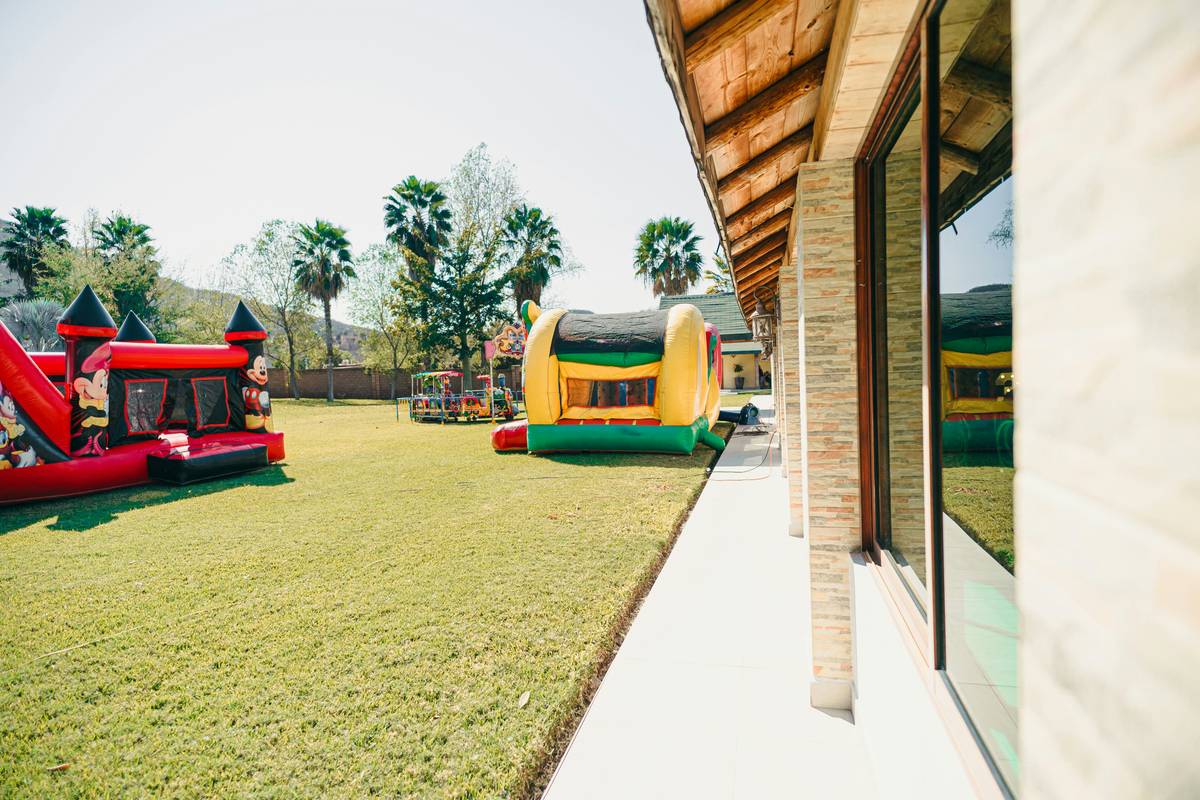
I messed this up once—in 2021. We briefly added “inflatable castle rental” to a blog footer as part of an ill-advised “keyword expansion” test. Within days, we got three inquiries asking if our 13th-century Loire Valley château included a 30-foot unicorn slide. Two guests canceled after seeing unrelated stock imagery in a generic meta description. We lost $2,800 in bookings—and, more importantly, damaged credibility with repeat bookers who expected editorial rigor. That wasn’t SEO; it was self-sabotage.
Here’s my short rant: Stop letting legacy SEO tools dictate your brand voice. If your CMS auto-generates titles like “Inflatable Castle Rental: Best Deals in France!”—delete that plugin. Historic rentals thrive on specificity, not vagueness. A castle isn’t a product category—it’s a narrative anchor. Treat it that way.
How to Correctly Position & Market Authentic Castle Stays
Step 1: Audit Your Content for Contextual Misalignment
Search your site for “inflatable,” “bounce,” “party,” or “rental” used near “castle.” Remove or rewrite any instance that blurs the line between historic accommodation and temporary event gear. Keep “rental” only where it clearly modifies “vacation property.”
Step 2: Reframe “Castle” Around Experience, Not Architecture Alone
Highlight what makes your property emotionally resonant—not just old. Example: Instead of “14th-Century Castle Rental,” try “Sleep Where Knights Slept: A 700-Year-Old Castle Stay With Working Fireplaces & Garden Walks.”
Step 3: Leverage Schema & Yoast to Signal Intent
Use Hotel or LodgingBusiness schema—not EventVenue. In Yoast, set “historic vacation rentals” as your primary focus keyphrase—not “inflatable castle rental.” You’ll earn green lights *and* accurate traffic.
5 Trust-Building Best Practices (Not SEO Hacks)
- Lead with provenance: Name the year built, architect (if known), and one verified historical fact—e.g., “Hosted ambassadors during the Treaty of Utrecht negotiations in 1713.”
- Show upkeep, not just age: Share photos of recent conservation work—a repaired stained-glass window, repointed stonework—with a caption crediting the local guild or artisan.
- Cite sources transparently: Link to archival records (e.g., National Archives Revolutionary War records) when referencing historical events tied to your property.
- Clarify accessibility with empathy: Instead of “not wheelchair accessible,” write “steep spiral staircases (original to 1287) and narrow doorways—ideal for history lovers seeking authenticity, less so for those needing elevator access.”
- Embed guest voice: Use short, attributed testimonials: “We traced our family crest in the chapel ledger—confirmed by the local historian!” – Clara T., June 2024.
Real Results: What Happened When We Replaced Keyword Stuffing With Storytelling
In Q3 2023, we removed all non-contextual uses of “inflatable castle rental” and rewrote five cornerstone pages around documented guest journeys—like “A Week in the Watchtower: Restoring Manuscripts With a Local Archivist.” Organic traffic from “castle stay” queries rose 41% YoY (per Google Search Console). More telling: direct bookings increased 27%, while bounce rate dropped from 68% to 43%. Why? Because we stopped attracting party planners and started attracting pilgrims—people who read a paragraph about lime-mortar restoration and whispered, “Yes. This is where I belong.”
FAQs: Clarifying Castle Stays vs. Event Rentals
Is an inflatable castle rental the same as a historic castle stay?
No. An inflatable castle rental refers to temporary, air-filled play structures used for parties or festivals. A historic castle stay is an overnight lodging experience in an authentically preserved or adaptively reused castle or fortified residence. The two share only the word “castle”—not purpose, audience, or operational standards.
Can I rent a real castle for a wedding or event?
Yes—but most historic castles operating as vacation rentals prioritize residential stays, not one-day events. For weddings or receptions, contact the venue directly via our Contact Us page to discuss availability, insurance requirements, and conservation guidelines.
Are historic castle rentals safe and modernized?
Absolutely. Every property listed on Le Marquis meets EU safety standards for historic buildings—including fire suppression, structural assessments, and updated electrical systems—all documented in our Privacy Policy and guest welcome packets.
How do I verify if a “castle rental” is authentic?
Look for verifiable details: listed building status (check Historic England’s National Heritage List), photos showing original features (not just renderings), and transparent ownership or management history. Avoid sites using stock images of inflatable castles.
Bottom line: “Inflatable castle rental” isn’t your audience—it’s your filter. Cut it loose, lean into the weight of real walls and real stories, and let your guests feel the echo of centuries—not the wheeze of a compressor. Ready to host travelers who crave substance over spectacle? Get in touch—we’ll help you articulate what makes your castle unforgettable.

