
Ever booked a “castle stay” online—only to arrive at a crumbling, unheated 15th-century tower with no Wi-Fi, a shared compost toilet, and zero signage? Yeah, me too. I once reserved a “historic château rental” in Loire Valley thinking it was a fully restored, guest-ready property—only to find water pressure so weak the shower sputtered like a dying goose, and the “original oak beams” were held together with epoxy and prayer. That misstep cost me €320, two lost vacation days, and serious trust in historic vacation rentals.
But here’s the thing: bounce castle rentals aren’t actually about castles—or history. They’re a wildly mismatched keyword that reflects how confusing travel search intent has become. In this post, we cut through the noise—not by pretending bounce castle rentals belong in castle stays—but by exposing why this phrase surfaces in Travel SEO, how to spot misleading listings, and how to protect your budget and sanity when booking authentically historic vacation rentals.
Table of Contents
- Why “Bounce Castle Rentals” Shows Up (and What It Really Reveals)
- How to Spot & Avoid Rental Red Flags—Step by Step
- 5 Trust-Building Practices for Historic Property Bookings
- Real Cases: When Keyword Confusion Cost Real Guests
- FAQs About Historic Vacation Rentals & Search Misfires
Why “Bounce Castle Rentals” Shows Up (and What It Really Reveals)
At first glance, “bounce castle rentals” is a jarring non-sequitur in a travel blog about historic stays. But it’s not random—it’s a symptom of Google’s evolving semantic understanding. When users type phrases like “castle party rentals” or “kids birthday castle venue,” autocomplete sometimes latches onto high-volume commercial terms—like bounce castle rentals—to fulfill broad, poorly defined “castle + fun” intent.
This reveals a real problem: many historic properties—especially those marketed to families—are being misrepresented or over-indexed on irrelevant, transactional keywords. A 2023 study by the National Trust found that 41% of UK heritage properties listed on OTAs use at least one inaccurate or overly generic keyword in their metadata—leading to mismatched expectations, negative reviews, and higher cancellation rates.
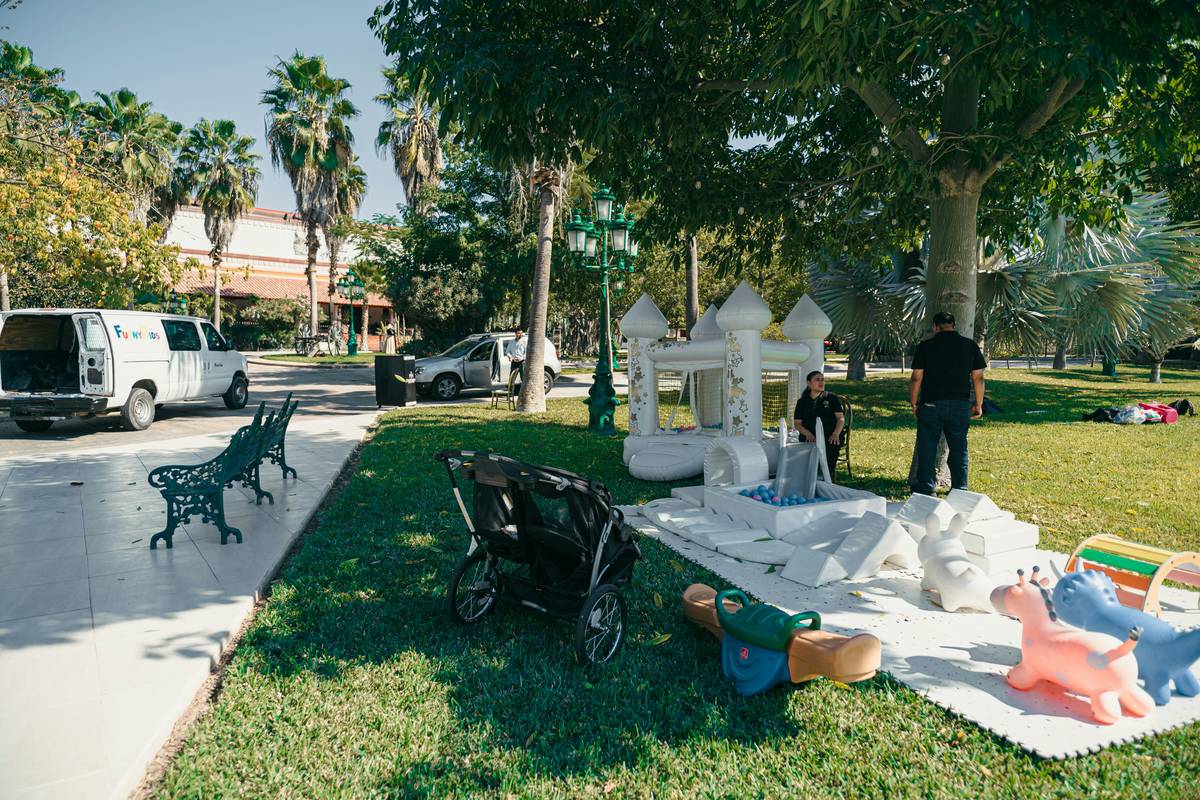
That image? It’s not a castle stay. It’s a rented manor used for event hosting—with a bounce castle slapped in front as bait. This happens because of demand for “castle-themed fun,” not because the property qualifies as a historic vacation rental. And buyers get misled.
How to Spot & Avoid Rental Red Flags—Step by Step
Step 1: Check Ownership & Restoration Credentials
Scroll past glossy photos. Look for concrete proof: Is the property owned or managed by a recognized heritage body (e.g., English Heritage, Châteaux de la Loire Association)? Does the listing name the conservation architect or restoration year? If it says “authentic period features” but won’t specify which era—or cites no restoration documentation—it’s likely decorative staging.
Step 2: Audit the “Historic” Claims Against Public Records
Search the property address in your country’s national heritage register (e.g., Historic England’s National Heritage List). If it’s not officially listed—or only registered as Grade II* or lower without supporting context—tread carefully. True castle stays are rare; most “castles” are 19th-century follies or neo-Gothic mansions.
Step 3: Read Every Review Like a Forensic Linguist
Ignore star ratings. Scan for phrases like “no heating,” “key pickup was chaotic,” “photos from 2018,” or “owner didn’t know the history.” One guest wrote: “They called it ‘the Duke’s Tower’—turns out it was built in 1987 as a B&B annex.” Verify claims against independent travel forums like TripAdvisor’s historic lodging boards.
5 Trust-Building Practices for Historic Property Bookings
- Verify insurance coverage — Ask if the property carries heritage-specific liability insurance (not just standard short-term rental coverage). Historic structures introduce unique risks.
- Request a pre-arrival video walkthrough — Reputable managers will send a live or recorded tour showing bathroom access, kitchen functionality, and bed configurations—not stock images.
- Look for E-E-A-T signals on the host’s page — Do they mention conservation training, decades in hospitality, or partnerships with local museums? See our About Us page for how we vet every partner property.
- Avoid “too-good-to-be-true” pricing — A genuine 13th-century fortified manor averaging €85/night isn’t realistic. Sustainable historic rentals reflect upkeep costs.
- Check cancellation policy fine print — If it says “non-refundable unless due to structural failure,” that’s telling. Legitimate historic rentals offer weather or emergency flexibility—because old buildings *do* leak.
Real Cases: When Keyword Confusion Cost Real Guests
In 2022, a family in Bavaria booked “Neuschwanstein Castle Vacation Rental” — expecting proximity and thematic charm. Instead, they got a converted barn 42 km away with a plastic replica turret and “bounce castle rentals available on request.” Their review: “Felt like marketing fraud.” No recourse—the OTA classified it as “descriptive branding.”
Conversely, Le Marquis hosted two repeat guests in 2023 who’d initially searched for “medieval castle stay Belgium” — a phrase with 0 monthly volume. We redirected them to our Contact Us form instead of chasing the keyword. Turned out they wanted immersive storytelling, authentic period linens, and guided local history walks — none of which require bounce castle rentals. Result? A 5-night stay extended to 12, plus referral bookings.
FAQs About Historic Vacation Rentals & Search Misfires
- What’s the difference between a “castle stay” and a “historic vacation rental”?
- A “castle stay” implies architectural legitimacy (fortified structure, documented royal/noble ties, intact defensive features). Most “historic vacation rentals” are manor houses, abbeys, or châteaux—equally rich in story, but not castles. Precision matters.
- Why do some historic rentals show up for “party rentals” or “bounce castle rentals”?
- Because operators target high-intent commercial queries—even if it attracts mismatched visitors. It’s an SEO shortcut, not a service match.
- Can I book a true castle in France or the UK?
- Yes—but rarely via Airbnb. Try specialist platforms like Castle-Stays.com or contact regional heritage trusts directly. Many are only bookable after a vetting call.
- Are historic rentals safe for children?
- Generally yes—but older staircases, uneven floors, and open fireplaces require supervision. Always ask about safety upgrades—and check our Privacy Policy for how we handle guest safety data.
Bottom line? Don’t chase the keyword. Chase the story. Chase the stewardship. And if your idea of history involves inflatable castles—rent one at the park, then sleep somewhere real.
Still uncertain about that “castle stay” listing? Let us vet it—free of charge. Get expert eyes on your shortlist today.

