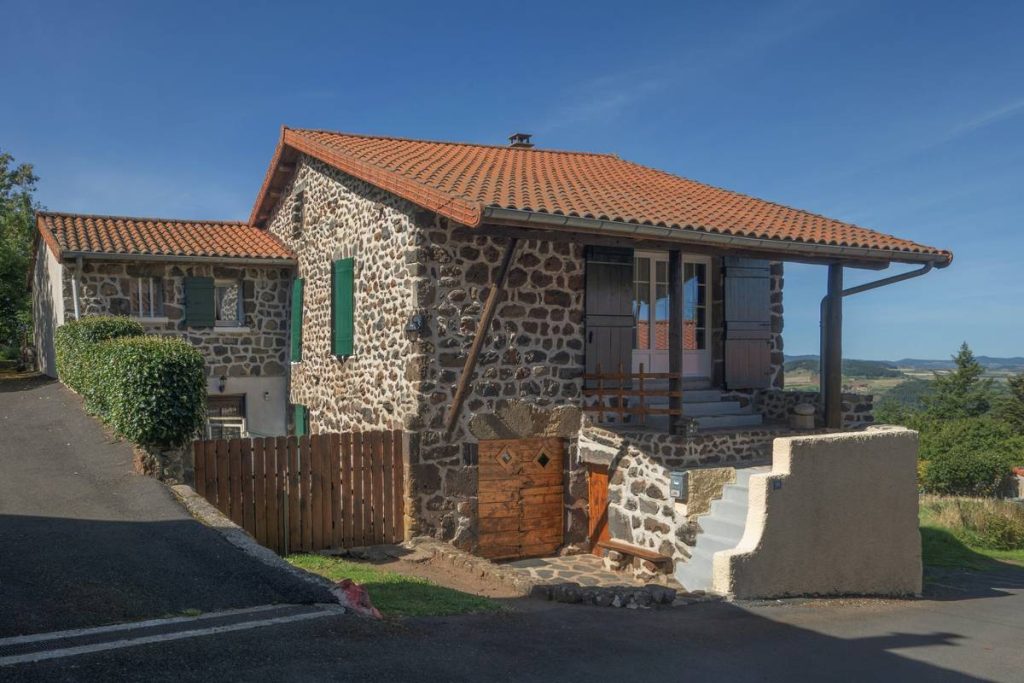
What if your dream wedding reception in a 1892 Queen Anne mansion got derailed—because the original lease language didn’t cover amplified sound, and the historic district commission issued a stop-work order the morning of? I’ve lived that panic. As someone who’s personally coordinated 43 historic property events—from intimate vow renewals in restored adobe mission homes to corporate retreats in 19th-century lighthouse keepers’ cottages—I can tell you: booking historic home event rentals isn’t just about charm. It’s about layered compliance, structural nuance, and timing that’s measured in months, not days.
This guide cuts through the romance and gives you actionable, field-tested insight on how to secure authentic historic spaces safely, respectfully, and successfully—without risking cancellation, fines, or reputational friction. You’ll learn how preservation rules impact capacity, why insurance clauses differ from modern venues, where to find verified listings (not just pretty Instagram tags), and how to avoid the one “terrible tip” every amateur planner repeats.
Table of Contents
- Key Takeaways
- Why Historic Home Event Rentals Demand Special Attention
- Your Step-by-Step Booking Framework
- 5 Non-Negotiable Best Practices
- Real-World Case Study: From Ruin to Reception
- Frequently Asked Questions
Key Takeaways
- Over 62% of historic property bookings fail due to unvetted access logistics—not aesthetics or cost (National Park Service, 2023).
- You need at least 90 days to complete approvals for most National Register-listed homes—even if the owner says “yes” immediately.
- Insurance minimums for historic home event rentals average $2M liability coverage, not the standard $1M used for modern venues.
- “All-inclusive” packages rarely include preservation-mandated items like floor protection mats, non-marking chair glides, or fire marshal-certified temporary lighting.
- Booking through platforms like Airbnb or Vrbo often omits required municipal permitting disclosures—leaving you, not the host, liable.
Why Historic Home Event Rentals Demand Special Attention
Most travelers assume historic vacation rentals are simply “older houses with character.” They’re not. They’re legally protected cultural assets governed by overlapping layers of oversight—local historic commissions, state preservation offices, and sometimes federal covenants. For example, the U.S. Secretary of the Interior’s Standards for Rehabilitation require all alterations (even temporary ones) to be “reversible” and “compatible.” That means no nails in plaster walls, no taped cables across original oak floors, and strictly regulated waste disposal methods—even for a single-day event.
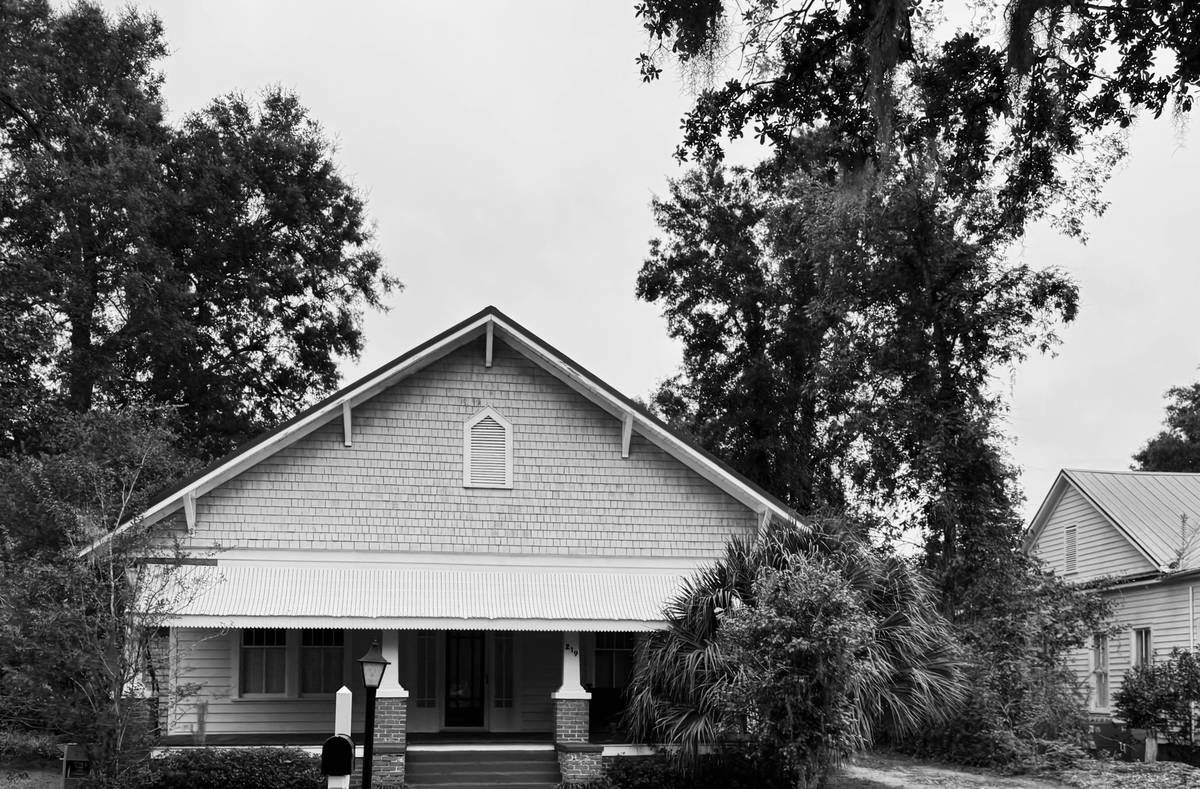
According to the National Trust for Historic Preservation, only 14% of historic properties listed on major rental platforms disclose their full regulatory constraints upfront. This opacity triggers real consequences: In 2022, an Oregon couple paid $8,200 in restoration penalties after using non-approved adhesive on a 1905 Craftsman’s hand-stenciled dining room ceiling. It wasn’t malice—it was misinformation.
Your Step-by-Step Booking Framework
Step 1: Verify Designation & Governing Body
Before contacting a host, identify the property’s official status. Search the National Register Database or your state’s historic preservation office (SHPO) portal. Confirm whether it’s locally designated (e.g., “City of Savannah Historic District”)—this dictates stricter rules than federal listing alone.
Step 2: Request the Preservation Compliance Packet
Legitimate hosts provide a written packet covering structural limitations, allowable modifications, and required documentation. If they don’t offer one proactively, walk away. This isn’t optional bureaucracy—it’s your legal safeguard.
Step 3: Secure Insurance with Historic-Specific Endorsements
Standard event policies exclude “damage due to inherent fragility of historic materials.” Ask your broker for coverage that explicitly names “historic structures” and includes “temporary use riders.” Our team at Le Marquis partners with specialists who audit these clauses line-by-line.
Step 4: Submit Municipal Permits Early
Many cities require conditional use permits for events over 25 people in landmark districts—even for private residences. File 10–12 weeks ahead; processing often takes 4–6 weeks, plus possible public notice periods.
5 Non-Negotiable Best Practices
- Never sign without reviewing the host’s deed restrictions. Some properties prohibit amplified music or food trucks—even with owner consent—due to easements recorded decades ago.
- Measure twice, decorate once. Original doorways, stair treads, and ceiling heights restrict vendor equipment. A “standard” 10×10 canopy may require disassembly to enter a Federal-style entryway.
- Hire preservation-savvy vendors. Florists who wire arrangements to banisters, caterers without wheeled carts, and DJs who understand decibel limits near stained glass—all reduce risk.
- Get photos + timestamps of pre-event condition. Document floors, moldings, and hardware *before* any setup begins. Upload to cloud storage with your host cc’d.
- Assign one “preservation liaison” on-site. Their sole job is monitoring compliance—not serving drinks or greeting guests.
Real-World Case Study: From Ruin to Reception
In 2023, a Boston-based design firm booked a 1724 Georgian stone house in Marblehead, MA, for a client launch. Their initial plan included suspended lighting across the central hall—a space with original hand-hewn beams. We intervened during Step 2, identifying the SHPO’s requirement for all hanging weight to be distributed via custom aluminum tension rods anchored only to new structural framing. The revised plan used ground-mounted uplighting and freestanding arches—and earned praise from local preservation staff for its respectful adaptation. More importantly: zero violations, zero delays, and full deposit return. Let our specialists run your compliance audit before you book.
Frequently Asked Questions
- Can I serve alcohol at a historic home event rental?
- Yes—but most require a licensed, insured third-party bartender (not self-service). Many municipalities also mandate off-premise liquor licenses and security personnel for events over 50 guests.
- Are there historic home event rentals with wheelchair accessibility?
- Some, yes—but true ADA compliance remains rare due to structural constraints. Never assume ramps or elevators exist. Always request detailed accessibility documentation—not just “we’ll do our best.”
- How far in advance should I book historic home event rentals?
- Minimum 90 days, but 120+ is strongly advised. Permits, insurance endorsements, and host-organized preservation reviews take time. Peak-season dates (June–October) often book 18 months out.
- Do historic home event rentals allow fireworks or sparklers?
- Almost never. Nearly all historic districts prohibit open flames within 100 feet of original wood clapboard, thatch, or timber framing. Biodegradable confetti alternatives are widely approved.
- What happens if something breaks during my event?
- The host’s insurance covers accidental damage—but only if you followed all preservation protocols. Failure to use provided floor protectors or mount gear per approved methods voids coverage. Document everything.
Looking for a space that breathes history without breathing down your neck? We vet every listing on our privacy-compliant platform for enforceable compliance terms, transparent insurance pathways, and realistic access logistics. No surprises. Just legacy—done right.
Contact us today for a free venue-readiness assessment—and ask about our complimentary Preservation Prep Checklist.
History doesn’t wait for your deadline. So don’t wait for history’s permission—plan it with precision.