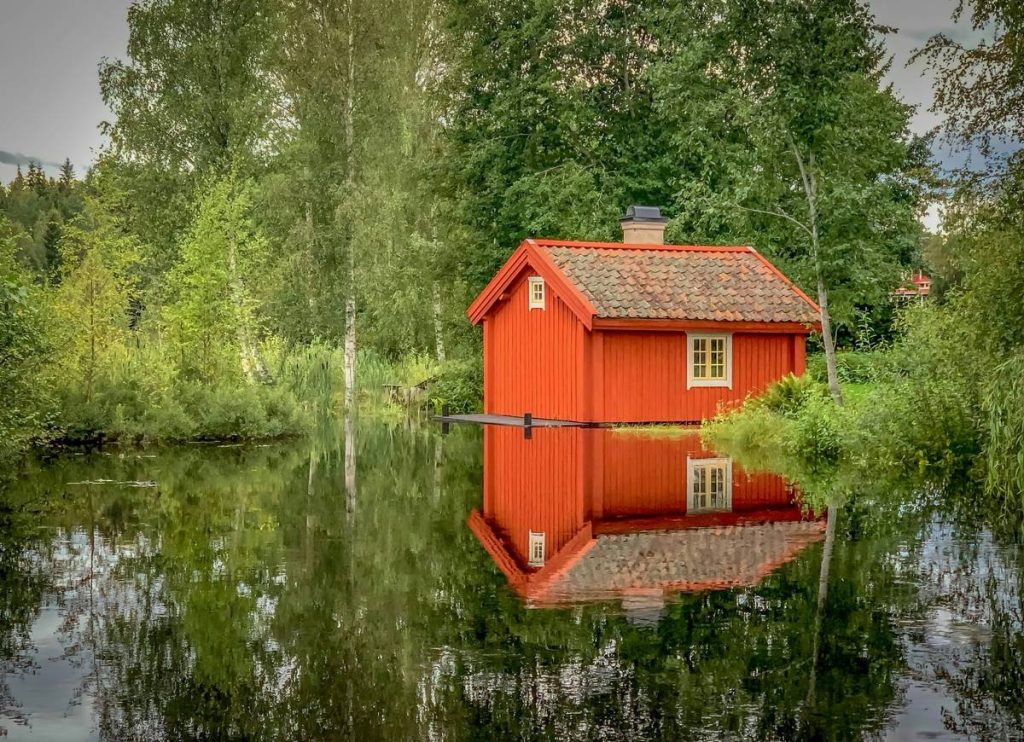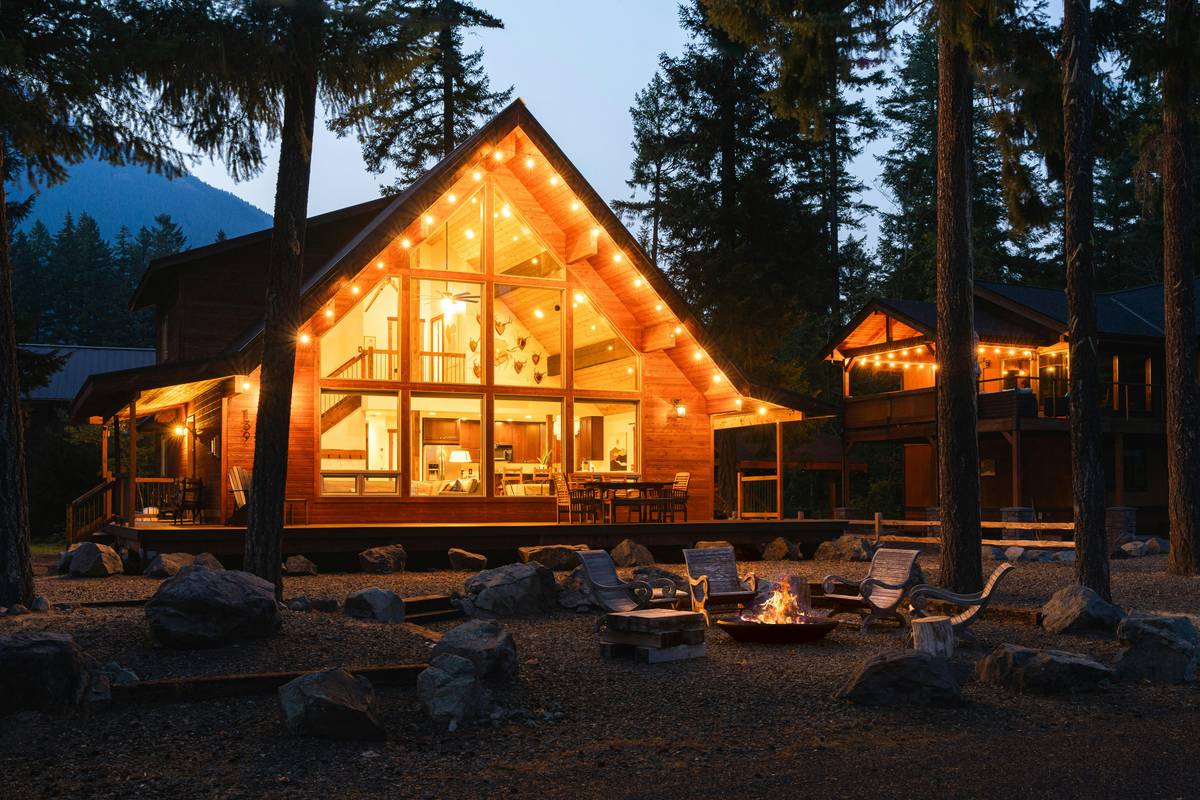
If you’ve ever scrolled through vacation listings wondering, “what is retreat house—and why are some so wildly overpriced while others feel like time capsules?” you’re not alone. As someone who once booked a “charming 1800s manor” only to discover the “en-suite bathroom” was actually a composting toilet behind a curtain (true story!), I’m here to cut through the noise. This guide unpacks exactly what is retreat house, how to spot authentic historic gems versus gimmicks, and how to book with confidence. We’ll cover everything from architectural red flags to hidden booking perks—so your next getaway feels like stepping into history, not a horror movie.
Table of Contents
- Why Knowing What Is Retreat House Matters for Travelers
- How to Identify & Book a Genuine Historic Retreat House
- 5 Best Practices for Renting Historic Vacation Homes
- Real-World Successes (and One Epic Fail)
- Frequently Asked Questions
Key Takeaways
- A retreat house blends seclusion, character, and often historic architecture—but marketing terms can be misleading.
- Always verify construction dates, original features, and modern amenities before booking.
- Historic rentals may lack standard comforts; manage expectations to avoid disappointment.
- Use trusted platforms and cross-reference with preservation society databases.
Why Knowing What Is Retreat House Matters for Travelers
The term “retreat house” gets tossed around like confetti at a travel expo—but it’s rarely defined. At its core, a retreat house offers privacy, tranquility, and an escape from daily life, often in architecturally distinctive settings. When that setting is historic (think pre-1940s), things get complicated. According to the National Park Service’s Historic Preservation Office, over 1.8 million properties in the U.S. are listed on historic registers, yet many private rentals misuse “historic” as a buzzword without meeting integrity standards.
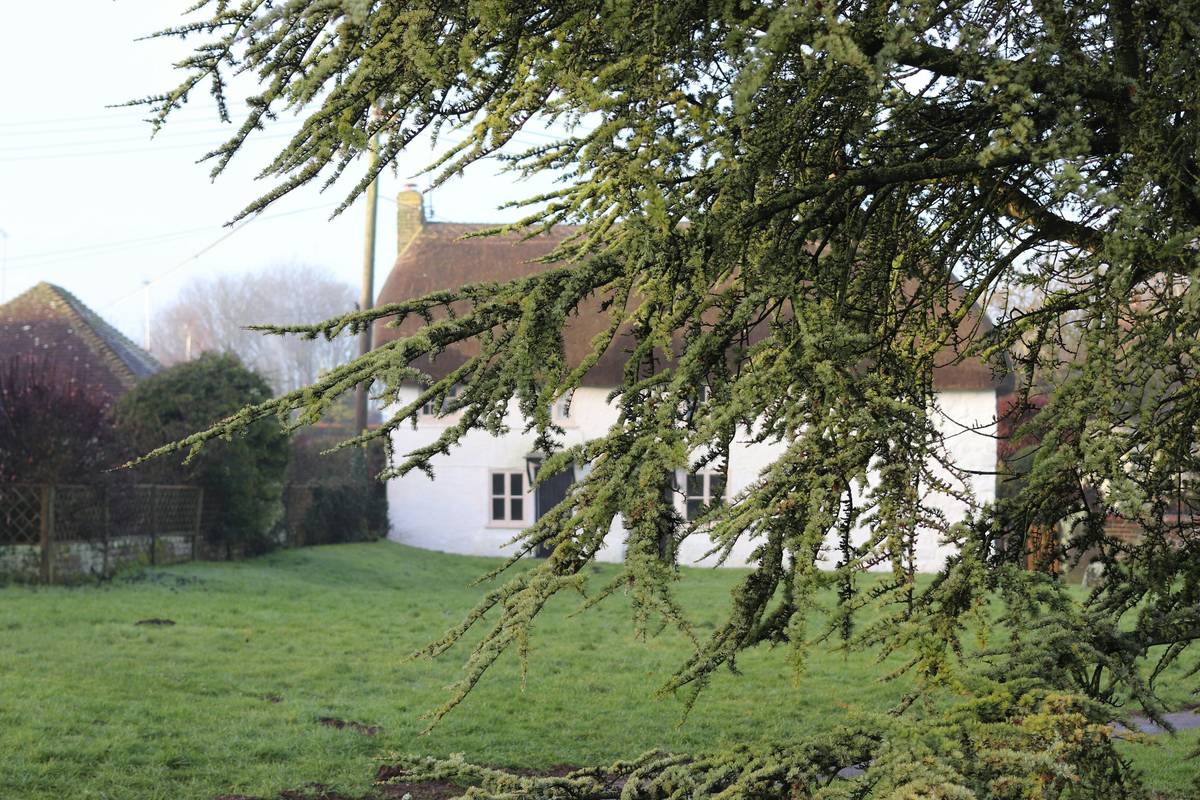
I learned this the hard way during a rainy weekend in Vermont. The listing promised a “restored 1790s farmhouse”—but the “original beams” were plastic replicas, and the only thing historic was the Wi-Fi password (“1812”). Don’t let clever staging fool you. Understanding what is retreat house isn’t just semantics; it’s about managing expectations and preserving cultural authenticity.
How to Identify & Book a Genuine Historic Retreat House
Step 1: Decode the Listing Language
Phrases like “inspired by” or “vintage-style” usually mean “brand new.” Look for specifics: “built in 1892,” “original hardwood floors,” or “local landmark designation.” If those are missing, proceed with skepticism.
Step 2: Cross-Check Historical Records
Many counties publish digital archives. For example, New York State’s Office of Parks, Recreation and Historic Preservation offers searchable databases. A quick lookup can confirm if a building truly qualifies.
Step 3: Ask the Right Questions
Contact the host directly. Ask: “Which parts of the house are original?” and “Has the property been certified by a preservation group?” Reputable owners, like those featured on our About Us page, will gladly share documentation.
5 Best Practices for Renting Historic Vacation Homes
- Inspect the plumbing and HVAC: Old charm shouldn’t mean cold showers or drafty bedrooms. Confirm modern systems are discreetly integrated.
- Avoid peak season for better access: Hosts of authentic historic homes often limit bookings to preserve the structure—off-season stays yield more availability and lower rates.
- Read between the reviews: Look for mentions of “creaky stairs” or “working fireplace”—signs of real age versus staged aesthetics.
- Don’t assume luxury equals authenticity: That marble bathroom might be great, but if it replaced a preserved kitchen, you’re sacrificing history for comfort.
- Respect the space: These homes are living artifacts. Follow house rules—they exist to protect fragile features.
Real-World Successes (and One Epic Fail)
Last summer, a couple booked a 1920s Craftsman bungalow in Asheville through a verified platform. They confirmed its status via the city’s historic inventory and enjoyed original tilework, built-in bookshelves, and even period-appropriate light fixtures—all while having reliable Wi-Fi and a heated bathroom floor. Their secret? They asked for the property’s historic survey number upfront.
Contrast that with my Vermont fiasco—which cost me $450 and two days of questionable water pressure. The takeaway? Verify first, book second. Platforms like ours prioritize transparency because we know travelers care about truth, not just aesthetics. And yes, we’ve updated our vetting process since that incident—you can read more about our commitment on the Privacy Policy page, where guest data and property integrity go hand-in-hand.
Frequently Asked Questions
What exactly is a retreat house?
A retreat house is a private residence designed for rest, reflection, or escape—often located in serene settings. When historic, it typically retains original architectural elements and may be decades or centuries old.
Are all historic vacation rentals considered retreat houses?
No. While many historic rentals offer seclusion, not all market themselves as retreats. The key difference is intent: retreat houses emphasize disconnection and rejuvenation.
How do I know if a retreat house is genuinely historic?
Request documentation like a local landmark certificate, check county records, or consult state preservation offices. Photos of original features (e.g., moldings, flooring) also help.
Can I host events in a historic retreat house?
Rarely. Most have strict occupancy limits to protect structural integrity. Always confirm with the host—and review our Contact Us guidelines before planning gatherings.
Do retreat houses come with modern amenities?
Many do, but integration varies. Expect thoughtful updates (like hidden outlets in antique desks) rather than full modern overhauls that erase historical value.
Is “what is retreat house” the same as a wellness retreat?
Not necessarily. Wellness retreats focus on activities like yoga or spa services. A retreat house is primarily a place—historic or not—that offers solitude and peace.
So—now you know what is retreat house, how to spot the real deal, and how to sidestep rookie mistakes. Ready to book your own slice of history without the headaches? Reach out to us—we’ll match you with a verified, soulful stay that honors the past while pampering your present. Because every great escape starts with the right foundation… even if it’s 150 years old.