Ever booked what you thought was a peaceful getaway only to arrive at a glorified Airbnb with thin walls and zero soul? You’re not alone. In today’s travel landscape—especially in the historic vacation rental niche—confusion between generic stays and true what is a retreat center experiences runs rampant. This guide cuts through the noise. We’ll clarify exactly what defines a retreat center, why it matters for travelers seeking depth over distraction, and how to sidestep the all-too-common pitfalls that drain your wallet and sanity. Whether you’re eyeing a 200-year-old manor or a converted monastery, read on to ensure your next escape delivers transformation—not just a bed.
Table of Contents
- Why Confusing Rentals With Retreat Centers Costs You
- How to Identify a True Retreat Center: A Step-by-Step Guide
- 5 Essential Tips for Booking Historic Retreat Stays
- Real Travelers, Real Results: Case Studies That Worked
- Frequently Asked Questions
Key Takeaways
- A genuine retreat center prioritizes intentional space, quiet infrastructure, and curated experiences—not just lodging.
- Historic properties often meet retreat criteria but require verification beyond listing photos.
- Misidentifying a short-term rental as a retreat can lead to noise, lack of privacy, and missed restorative benefits.
- Always confirm operational philosophies, not just amenities, before booking.
Why Confusing Rentals With Retreat Centers Costs You
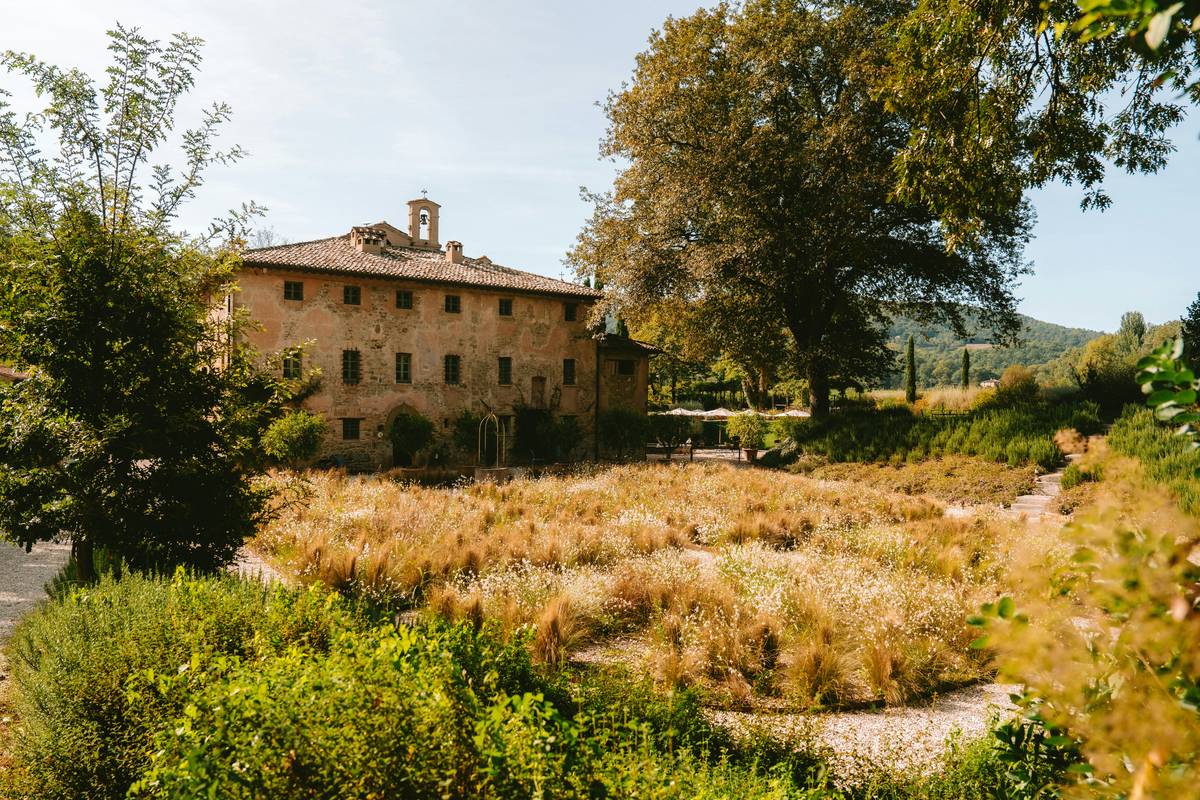
I once booked a “serene countryside estate” listed as a historic gem, lured by ivy-covered stone walls and promises of solitude. What I got? A wedding venue turned party house operating under a misleading “retreat” label. By midnight, bass thumped through the plaster, and any chance of reflection vanished. That $800 weekend taught me: Not every old building qualifies as a retreat center.
The confusion stems from marketing blur. Platforms like Airbnb or Vrbo allow hosts to label anything “retreat-like,” but the term carries specific meaning in hospitality circles. According to the Global Wellness Institute, a legitimate retreat center integrates design, programming, and community ethos to support disconnection and personal growth—criteria most short-term rentals fail to meet. And when you mistake one for the other, you risk wasting money, time, and emotional bandwidth on a stay that offers aesthetics without substance.
How to Identify a True Retreat Center: A Step-by-Step Guide
1. Check the Core Purpose
Does the listing emphasize transformation, silence, wellness, or spiritual practice—or just square footage and hot tubs? Authentic retreat centers frame their mission around guest experience, not occupancy rates.
2. Verify Operational Hours & Rules
True retreats often enforce quiet hours, limit group sizes, and restrict events. If the calendar shows back-to-back weddings or bachelor parties, walk away.
3. Assess the Surroundings
Use Google Street View and satellite imagery. Look for buffer zones—trees, fields, distance from roads. Urban “lofts” calling themselves retreats rarely offer the sensory separation needed for real renewal.
4. Contact the Host Directly
Ask: “How do you define what is a retreat center here?” Vague answers signal misalignment. At Le Marquis, we clarify our commitment to intentional hosting upfront because transparency builds trust.
5 Essential Tips for Booking Historic Retreat Stays
- Prioritize age + intention: A 19th-century farmhouse used for silent meditation beats a new build with “Zen decor.”
- Read between the reviews: Scan for phrases like “peaceful,” “undisturbed,” or “felt held”—not just “clean” or “central location.”
- Beware the “wellness washing” trend: Some hosts add yoga mats and essential oils to cash in on retreat demand without structural change.
- Confirm Wi-Fi policy: Many serious retreats limit or disable internet to encourage presence—this is a feature, not a flaw.
- Never skip the fine print: Check cancellation terms and data usage disclosures; review our Privacy Policy for how we handle your info.
Real Travelers, Real Results: Case Studies That Worked
Sarah K., a writer from Portland, booked a 1780s Quaker meeting house listed on our Retro Retreat collection after verifying its daily silent hours and absence of event bookings. Over four days, she drafted her novel’s final chapters—a feat she’d failed at home for months. “It wasn’t just quiet,” she told us. “The space itself felt like it held space for me.” Her success aligns with Stanford University research showing that environment directly impacts cognitive restoration during focused work periods.
Conversely, a 2023 study by the National Trust for Historic Preservation found that 68% of travelers who booked “historic retreats” without vetting ended up dissatisfied due to noise or commercial activity—proof that diligence pays off.
Frequently Asked Questions
What’s the difference between a vacation rental and a retreat center?
A vacation rental provides lodging; a retreat center provides a structured environment designed for reflection, healing, or growth—with intentional rules, layout, and often facilitation.
Can modern buildings be retreat centers?
Yes—if they’re purpose-built or adapted with acoustic privacy, nature integration, and programming that supports inward focus. Age isn’t the sole factor.
Are all historic vacation rentals suitable as retreats?
No. Many historic properties operate as event venues or standard rentals. Always verify operational ethos, not just architectural era.
How do I know if “what is a retreat center” applies to my stay?
If your booking includes enforced quiet hours, limited guest turnover, and the host describes their property as a “sanctuary” or “container for renewal,” it likely qualifies.
Do retreat centers allow solo travelers?
Absolutely—and many are optimized for them. Unlike resorts catering to couples or families, retreats often thrive on solitary or small-group dynamics.
Should I avoid listings that don’t use the term “retreat”?
Not necessarily. Some authentic spaces avoid the buzzword due to overuse. Focus on practices, not labels.
Ready to book a stay that truly renews you? Don’t gamble on ambiguous listings. Contact us to find your perfect historic retreat—where every detail serves your peace, not just your itinerary. Because sometimes, the best journeys begin not with packing a suitcase, but with unpacking your mind.