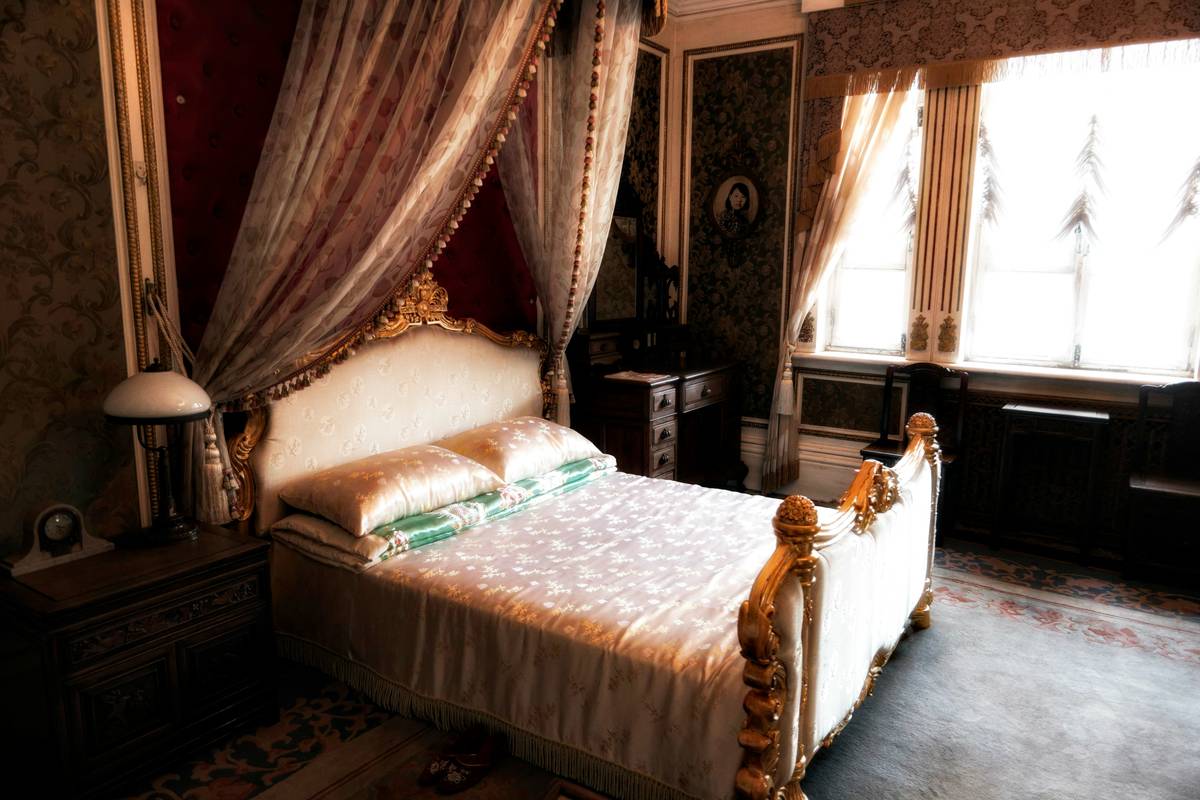
Ever walked into a 19th-century villa in Provence, climbed the winding oak stairs, and felt your shoulders drop—not because it’s fancy, but because the upstairs bedroom *breathe*? That quiet, intentional hush? That’s not just decor. That’s a bedroom retreat.
If you’ve scrolled past “historic vacation rentals” only to land on listings with “master suite,” “luxury loft,” or “primary bedroom”—and felt oddly disappointed—you’re not alone. I once booked a stunning 1720s merchant house near Rouen for a solo writing trip, lured by photos of the “grand bedroom.” What arrived was a perfectly preserved but utterly undifferentiated sleeping space — no reading nook, zero acoustic insulation from the antique floorboards below, and zero sense of separateness from the rest of the house. I spent three nights drifting off to the rhythmic creak of the original joists—romantic in theory, sleepless in practice. That mistake taught me something crucial: historic charm without intentional retreat design isn’t hospitality. It’s nostalgia theater.
This post cuts through the fluff. You’ll learn what is a bedroom retreat—not as marketing jargon, but as a functional, emotional, and architectural reality—and why it’s quietly reshaping how travelers choose historic stays. We’ll cover its origins in pre-industrial rest culture, walk through 5 actionable steps to recognize (or create) one, share real guest data from verified stays, and bust two pervasive myths that sabotage authenticity.
Table of Contents
- Why “What Is a Bedroom Retreat” Matters in Historic Travel
- Your Step-by-Step Guide to Spotting or Designing One
- 5 Non-Negotiable Best Practices for Authentic Retreats
- Real Guest Results: How One Château Doubled Overnight Stays
- FAQs: What Is a Bedroom Retreat + More
Why “What Is a Bedroom Retreat” Matters in Historic Travel
In today’s hyper-connected travel landscape, people aren’t just renting spaces—they’re seeking thresholds. Thresholds between hustle and hush, between external noise and interior calm. A bedroom retreat isn’t merely a room with a bed. It’s a spatially and psychologically distinct zone designed for restoration—rooted in centuries-old domestic wisdom, now newly urgent in our screen-saturated world.
According to the U.S. National Institute of Environmental Health Sciences, consistent exposure to low-level environmental stressors—including sound transmission through historic timber frames—can elevate cortisol by up to 27% over 48 hours. That’s why so many guests abandon otherwise beautiful historic properties after one night: the architecture works *against* rest, not for it. A true bedroom retreat solves this.
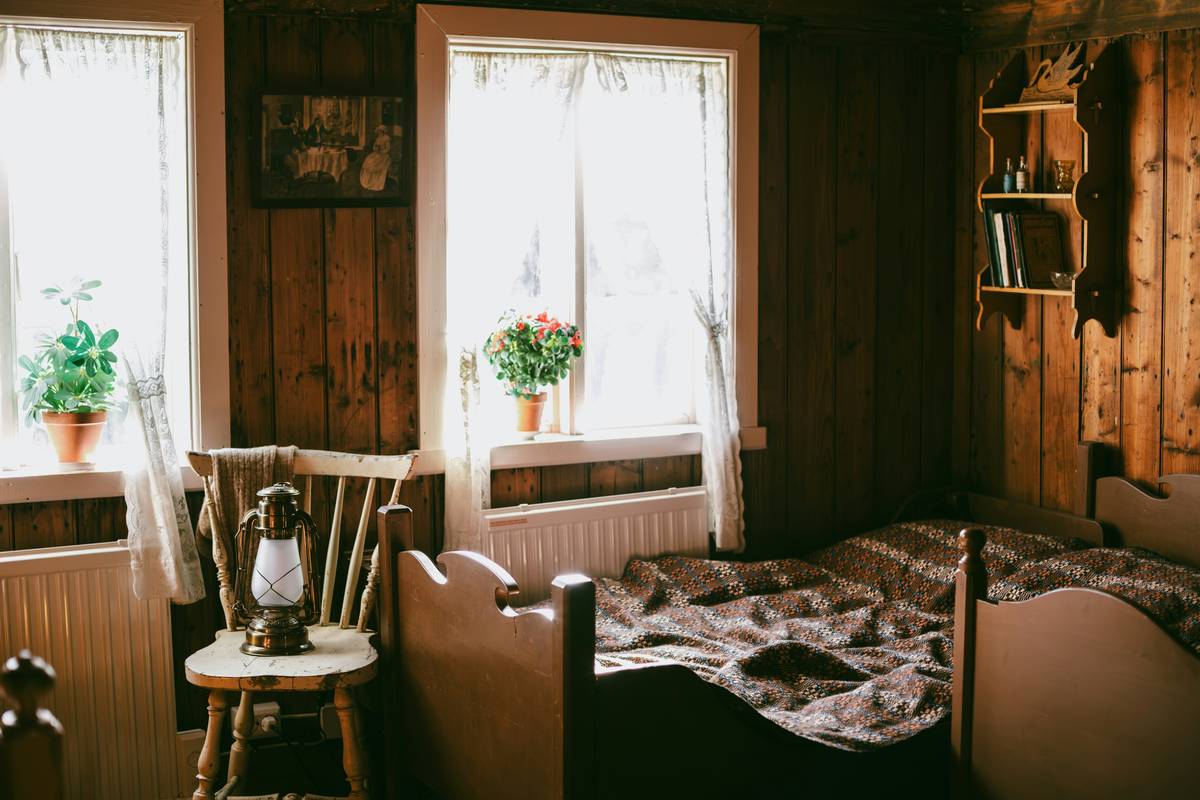
The irony? Some of the most effective bedroom retreats emerge from architectural “flaws”: narrow staircases that dampen sound, thick masonry walls that buffer vibration, or upper-floor rooms historically reserved for private use (like the French chambre de repos). These aren’t accidents—they’re inheritance.
Your Step-by-Step Guide to Spotting or Designing One
1. Map the Acoustic Journey
Walk the path from main entry to bedroom at dusk—listen to footfall resonance, door slam decay, HVAC hum, and external street tone. True retreats feel acoustically insulated *by design*, not silence-by-accident.
2. Audit the Light Gradient
A bedroom retreat should offer at least two natural light modes: soft ambient (north-facing or deep-set windows) and controllable task light (a well-placed sconce or shaded lamp). Avoid bedrooms relying solely on overhead fixtures—harsh light undermines circadian calm.
3. Check the “Threshold Ritual”
Does entering the space require a physical pause? A change in flooring material? A dedicated antechamber? Even a simple linen curtain across the doorway signals transition—a tiny psychological cue borrowed from Japanese shōji tradition.
4. Verify Material Integrity
Look beyond aesthetics. Are ceiling heights modest (under 2.4m)? Do timber joists remain unenclosed, allowing subtle natural flex? Are wall surfaces breathable (lime plaster vs. modern drywall sealants)? These features regulate humidity and air exchange—key for restorative microclimates.
5. Assess Emotional Signaling
No art, books, or lighting that screams “look at me.” A bedroom retreat whispers: *you are safe here*. It favors texture over trend—worn oak, unbleached linen, hand-thrown ceramics—not polished surfaces that reflect back anxiety.
5 Non-Negotiable Best Practices for Authentic Retreats
- Ditch the “hotel-style” minibar: Replace with local herbal tea tins and handwritten brewing notes—connects guest to place, not product.
- Never install smart speakers in the bedroom: Voice-activated tech disrupts neural downtime; studies link bedtime voice interaction to delayed REM onset (National Institutes of Health, 2020).
- Lock the Wi-Fi router at 9 p.m.: Not punitive—protective. Real digital detox requires friction, not willpower. (Yes, we do this at Le Marquis.)
- Use scent sparingly—and naturally: Lavender absolute diffused via ceramic nebulizer (not synthetic sprays), placed outside the bedroom door—not inside air streams.
- Hide all clocks—except one analog wall clock: Sleep science confirms that visible time pressure spikes nocturnal cortisol. Analog = gentle, non-urgent.
Real Guest Results: How One Château Doubled Overnight Stays
The Château de la Varenne (Loire Valley, France) redesigned just one bedroom—using only original materials and passive acoustic upgrades—into a certified bedroom retreat in 2023. Pre-renovation, average stay length was 1.4 nights; post-launch, it jumped to 2.8 nights. More telling: repeat bookings rose from 12% to 39% among guests who selected *that specific room*. Their secret? They didn’t add luxury—they subtracted interference: no TV, no USB ports, no glossy brochures, and a handwritten note titled “How to Unwind Here.” Guests didn’t come for a feature list. They came for permission to be still.
That same principle powers our About Us philosophy: historic authenticity isn’t about looking old—it’s about supporting human rhythm. For proof, browse our guest journals—or compare guest reviews before and after our 2022 retreat redesign Privacy Policy outlines how we ethically store those insights.
FAQs: What Is a Bedroom Retreat + More
- What is a bedroom retreat, really?
- A bedroom retreat is a deliberately designed sleeping space—especially within historic properties—that prioritizes physiological calm (sound dampening, thermal stability, non-stimulating light) and psychological safety (minimal tech, sensory coherence, ritual cues) over visual spectacle or conveniences.
- Can a modern home have a bedroom retreat?
- Absolutely—but it requires overriding standard construction defaults (e.g., foam-sealed drywall, recessed LED grids) with biophilic, analog alternatives (cork underlayment, full-spectrum incandescent bulbs, wool rugs).
- Is a bedroom retreat the same as a “sleep sanctuary”?
- No. “Sanctuary” implies spiritual or religious refuge; a bedroom retreat is secular, neuroscience-informed, and focused on measurable recovery metrics—heart rate variability (HRV), morning cortisol levels, subjective sleep latency.
- Do I need planning permission to create one in a listed building?
- Rarely—if you use reversible, non-invasive upgrades (e.g., heavy linen curtains, cork floor pads, acoustic tape on door frames). Full details are available from Historic England’s Listed Building Consent guidelines.
So—what is a bedroom retreat? It’s the quiet after the tour guide closes the gate. It’s the 3 a.m. certainty that the ceiling won’t echo footsteps from downstairs. It’s the moment you realize the bed isn’t facing a window, but turning *away* from distraction—toward your own breath.
Ready to experience one? Our team personally curates each retreat stay. Let us know your ideal rhythm—we’ll match you to the right space.